Oct 13, 2026 | Climate change, Meso-micro coupling, News, Onshore and Offshore Wind
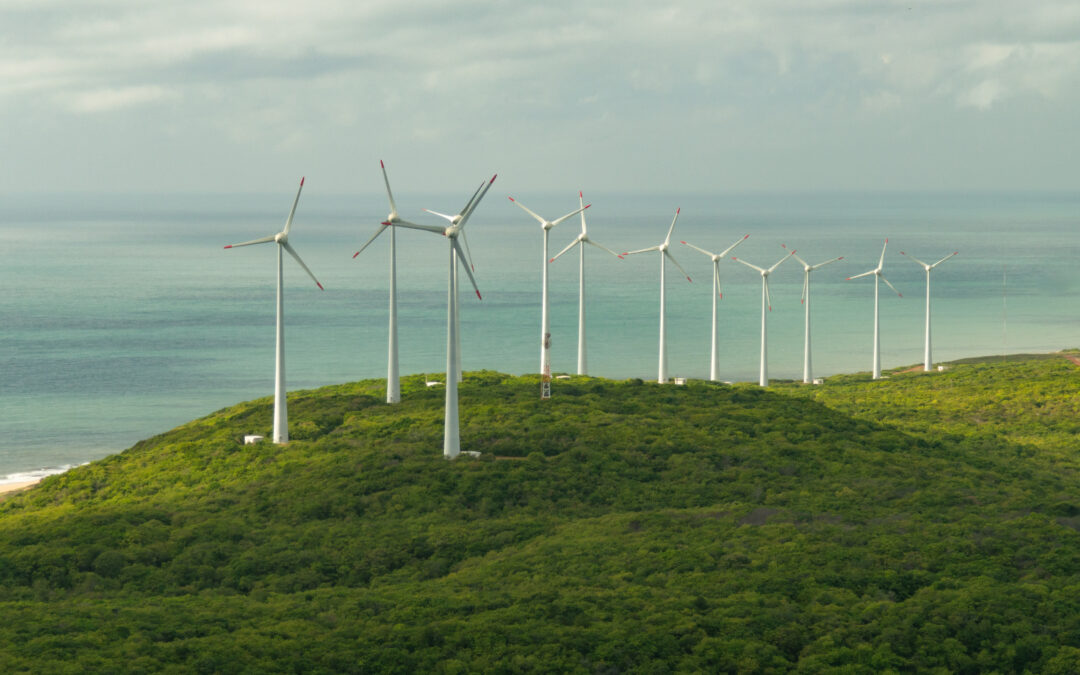
From October 27 to 29, 2026, METEODYN will attend the 17th edition of Brazil Windpower at São Paulo Expo, Brazil. This year’s event will address several challenges facing Brazil’s wind energy sector, including offshore wind development, generation...
Sep 23, 2026 | Climate change, Meso-micro coupling, News, Onshore and Offshore Wind
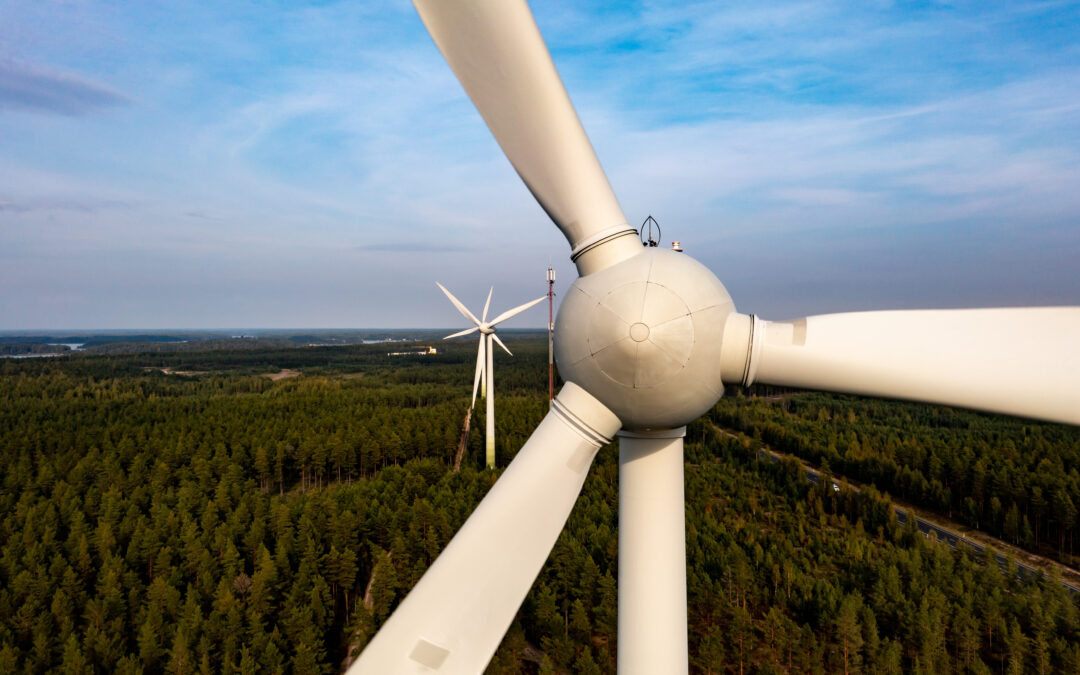
On October 6–7, 2026, METEODYN will attend Green Power Sweden Summit 2026 at the Stockholm Waterfront Congress Centre. Sweden offers strong potential for wind energy development, but also presents specific challenges for wind resource assessment. With large forested...
Sep 8, 2026 | Climate change, Meso-micro coupling, News, Onshore and Offshore Wind
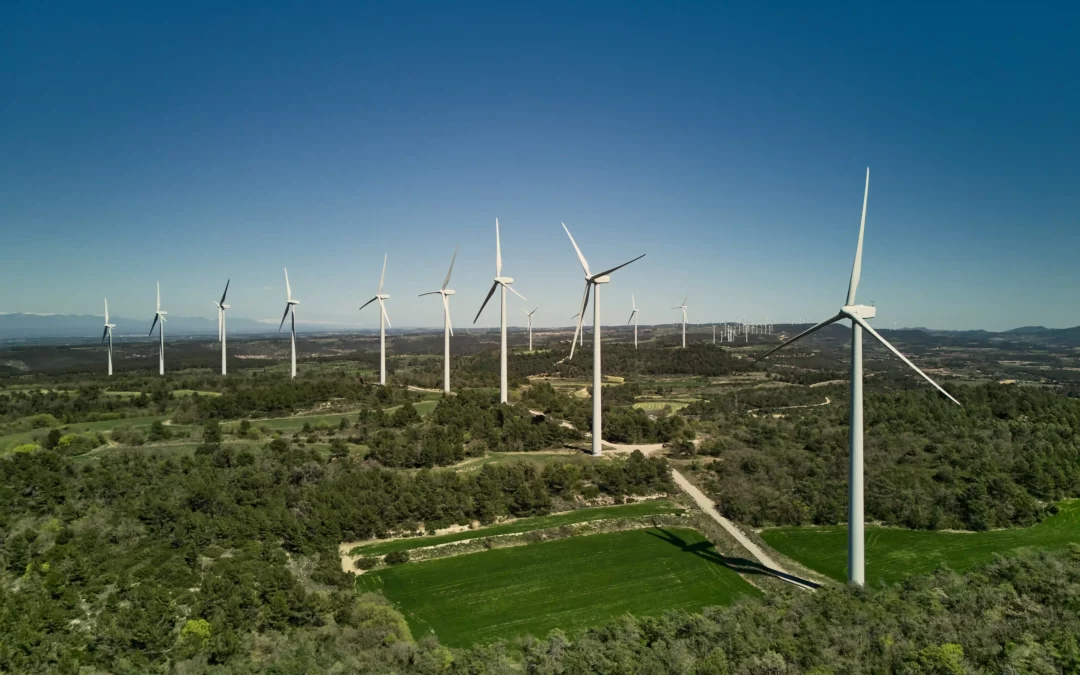
How can better decisions be made throughout a wind project, from site assessment to operational performance? From September 22 to 25, 2026, METEODYN will be exhibiting at WindEnergy Hamburg, one of the major international events for the onshore and offshore wind...
Jul 23, 2026 | Case studies, Onshore and Offshore Wind, Resources, Scientific papers
Meteodyn put a hybrid sector-based wake superposition model to the test across three offshore wind farms, Lillgrund, Horns Rev, and Nysted, to see when direction-dependent wake effects call for combining more than one superposition method. Pairing the Linear model for...
Jul 20, 2026 | Case studies, Meso-micro coupling, Onshore and Offshore Wind, Resources, Scientific papers
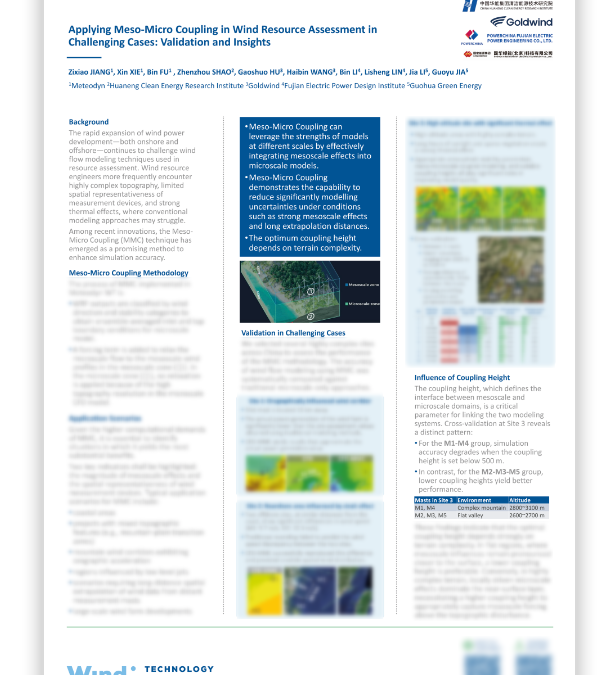
Putting Meso-Micro Coupling to the test in real-world conditions, Meteodyn joined forces with Huaneng Clean Energy Research Institute, Goldwind, Fujian Electric Power Design Institute, and Guohua Green Energy on three of the most technically demanding sites across...
Jul 16, 2026 | Case studies, Onshore and Offshore Wind, Resources, Scientific papers
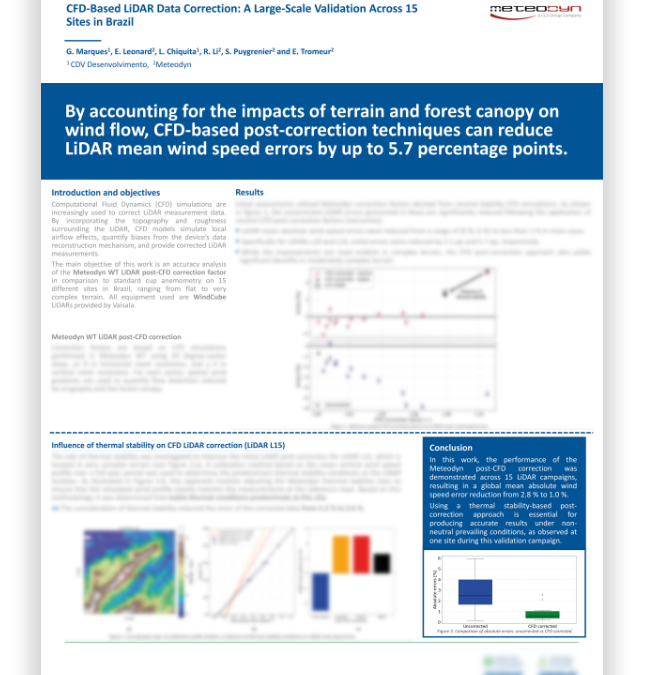
Meteodyn teamed up with Casa Dos Ventos to test its CFD correction approach on real-world LiDAR data. 15 campaigns were conducted across Brazil, spanning everything from flat plains to highly complex terrain. Wind speed errors dropped by as much as 5.7 percentage...
