Oct 13, 2026 | Climate change, Meso-micro coupling, News, Onshore and Offshore Wind
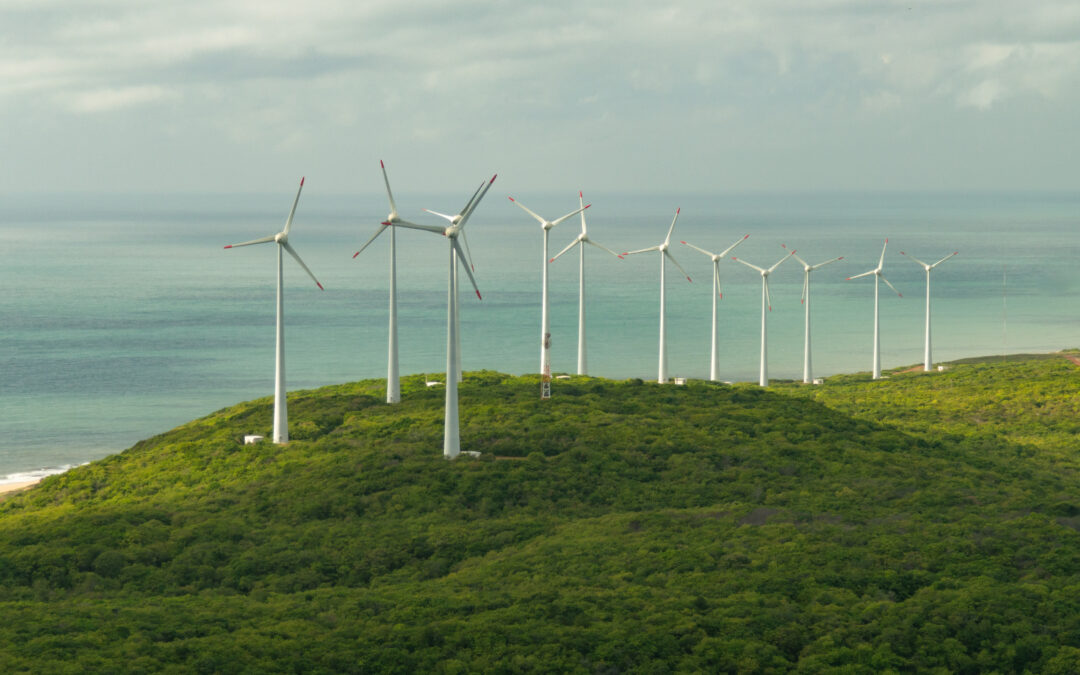
From October 27 to 29, 2026, METEODYN will attend the 17th edition of Brazil Windpower at São Paulo Expo, Brazil. This year’s event will address several challenges facing Brazil’s wind energy sector, including offshore wind development, generation...
Sep 23, 2026 | Climate change, Meso-micro coupling, News, Onshore and Offshore Wind
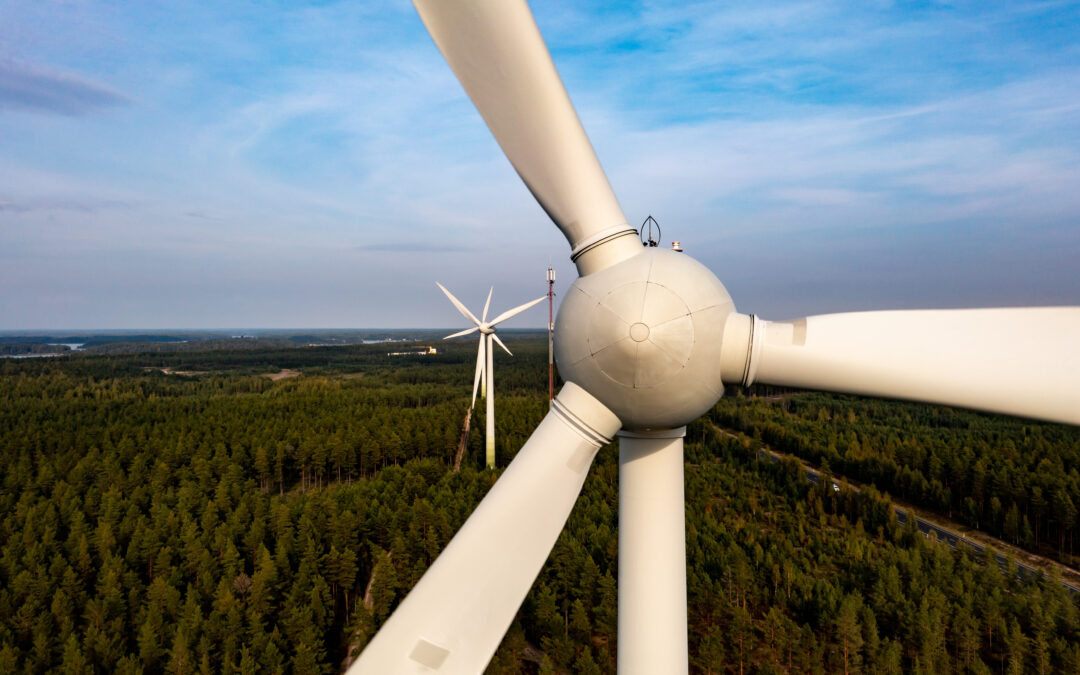
On October 6–7, 2026, METEODYN will attend Green Power Sweden Summit 2026 at the Stockholm Waterfront Congress Centre. Sweden offers strong potential for wind energy development, but also presents specific challenges for wind resource assessment. With large forested...
Sep 8, 2026 | Climate change, Meso-micro coupling, News, Onshore and Offshore Wind
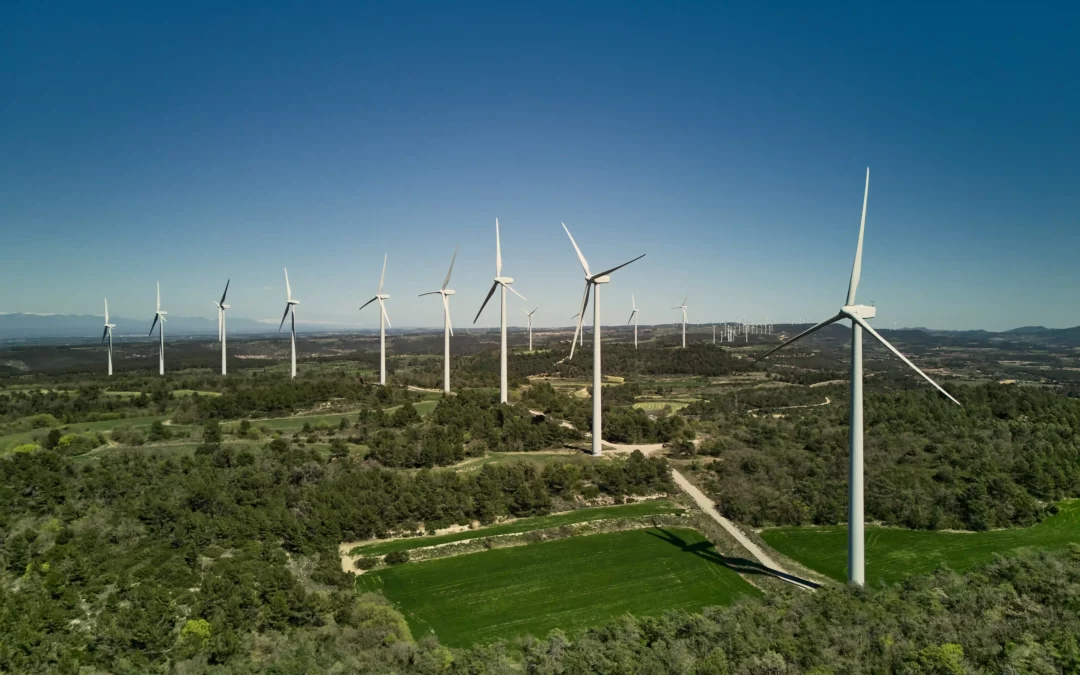
How can better decisions be made throughout a wind project, from site assessment to operational performance? From September 22 to 25, 2026, METEODYN will be exhibiting at WindEnergy Hamburg, one of the major international events for the onshore and offshore wind...

Jun 5, 2026 | Buildings and Infrastructure, Climate change, News, Scientific papers
From June 17 to 19, METEODYN team will attend eSim 2026, the Building Performance Simulation Conference organized under the auspices of IBPSA-Canada, at the Université de Sherbrooke in Longueuil Campus, Canada. METEODYN is eager to meet the Canadian building...
May 28, 2026 | Climate change, Meso-micro coupling, News, Onshore and Offshore Wind
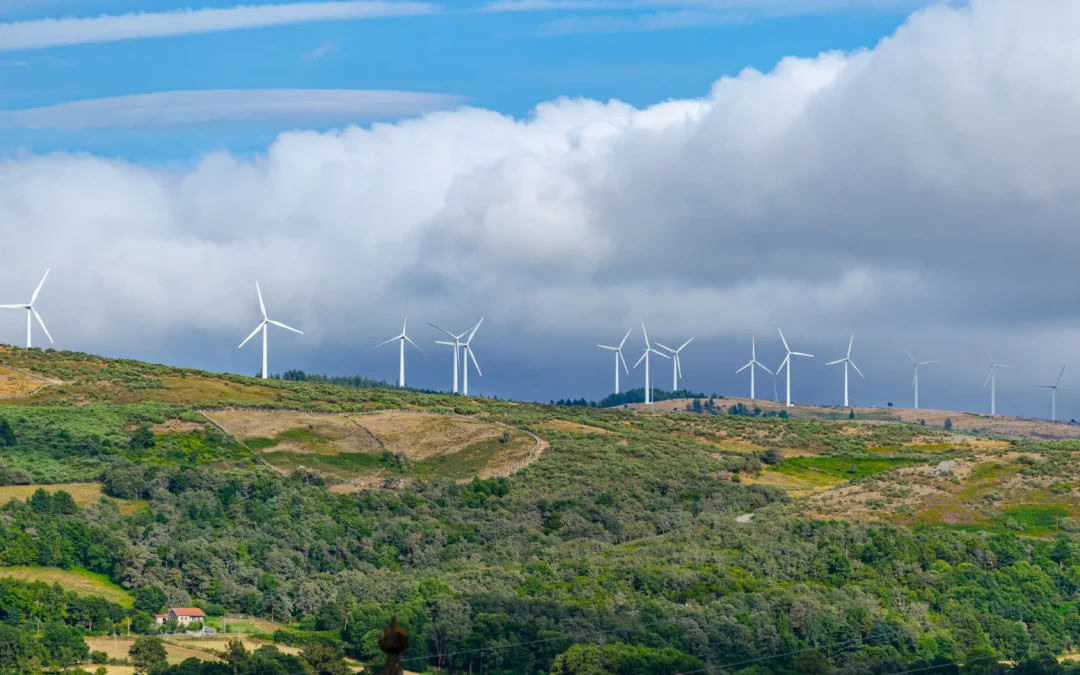
From June 11 to 12, we will take part in the WindEurope Technology Workshop 2026 in Rotterdam, dedicated to Resource Assessment & Analysis of Operating Wind Farms. Through three posters and one oral presentation, we will share recent technical work on...
May 19, 2026 | Case studies, News, Onshore and Offshore Wind, Scientific papers
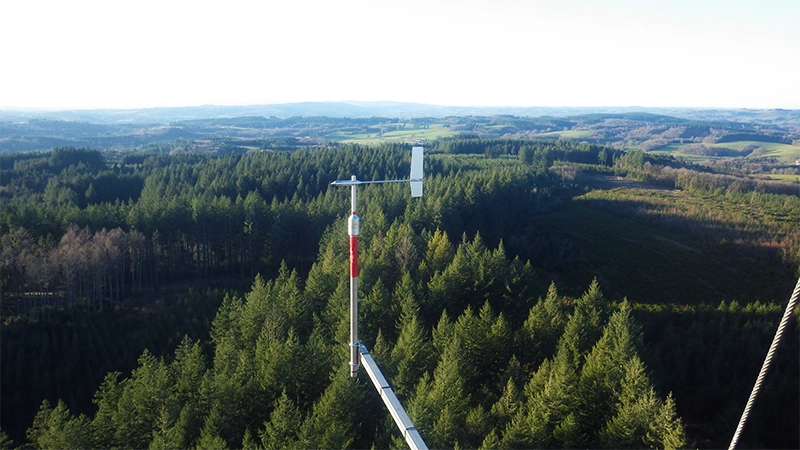
Forested terrain is where wind resource assessment gets complicated. Trees are not passive obstacles: they reshape the wind profile across the entire rotor-swept area, generate turbulence, and produce vertical wind shear patterns that standard roughness models were...
